
Telemetry and torque measurement.
Contactless measurement directly on the rotating part, with telemetry or magnetoelastic sensing. From the test bench through to series production. Developed and manufactured in Germany.
The product ranges at a glance.
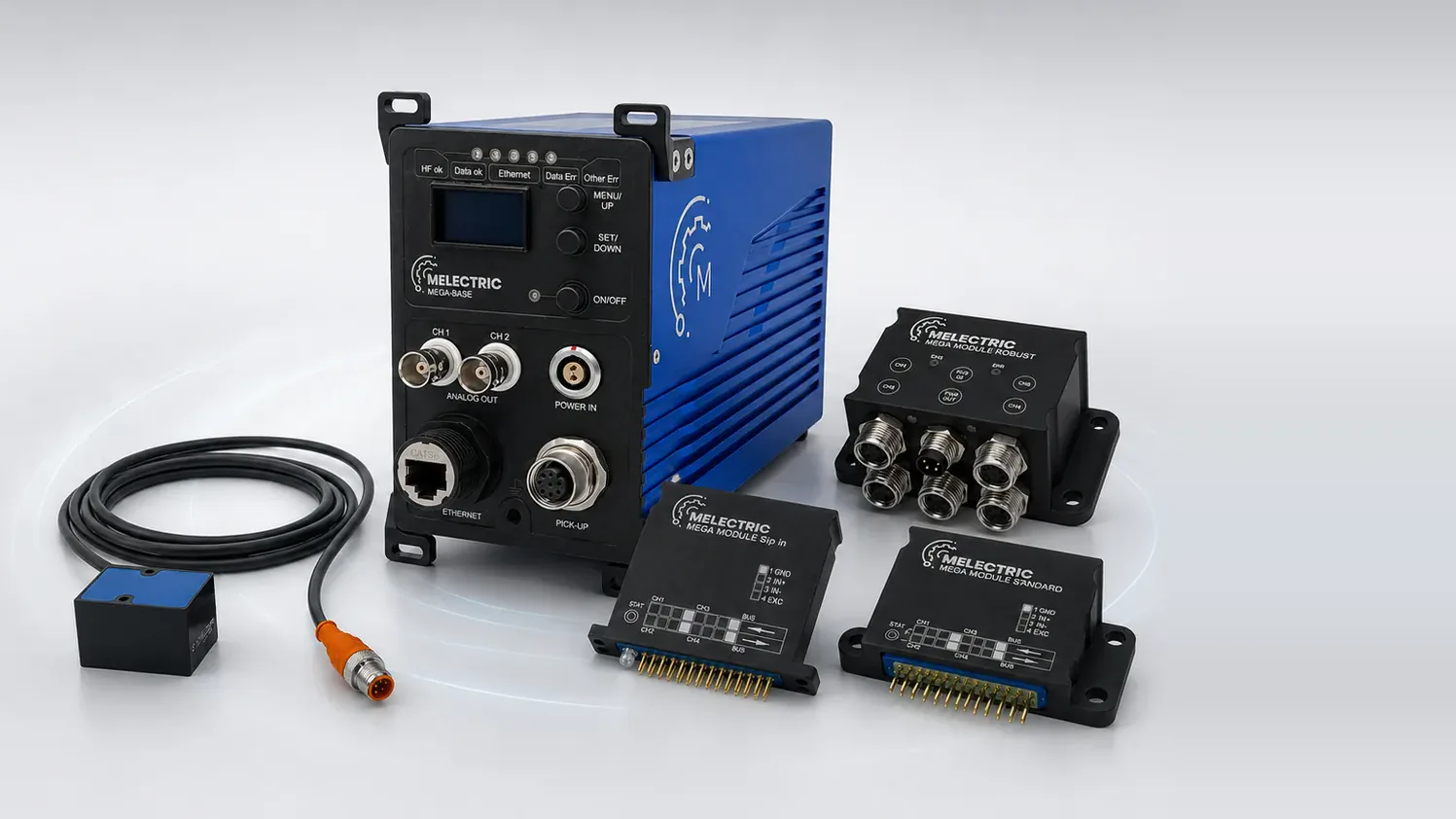
Telemetry & wireless products
Multi-channel, 2-channel and customer-specific telemetry for test bench, vehicle and plant. The MEGA Telemetry scales modularly from one to 256 channels, at up to 250 kHz per channel; existing strain gauge measuring points stay in use.
Learn moreTorque measurement
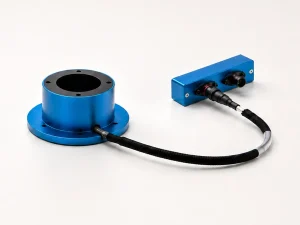
Torque shafts, torque flanges and integrated sensors for test bench, driveline and series production: MES torque shafts from 0.1 to 5,000 Nm, MEFS torque flanges from 50 Nm to 10 kNm at 0.05 % FS.
 03
OEM solutions
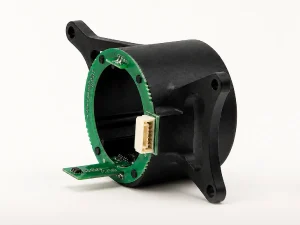
From prototype to series production, matched to geometry, interface and volume. Magnetoelastic sensing measures directly in the shaft, with no component in the load path.
 04
Services
Design, system development, installation and commissioning across the whole project cycle, plus calibration up to 10,000 Nm in our own laboratory, including sensors from other manufacturers.

Measurement technology for rotating parts.
Melectric Systems GmbH, based in Straßlach near Munich, develops and manufactures measurement technology for rotating parts. Two measuring principles cover the tasks: telemetry systems transmit the signals of strain gauges, temperature and acceleration sensors wirelessly from shafts, wheels and rotors. Magnetoelastic sensors turn the shaft itself into the torque sensor, with no additional component in the load path.
On top of that come standard torque shafts and torque flanges for the test bench, as well as calibration, FEM analysis and application. Our customers are test facilities, development departments and series manufacturers in motorsport, automotive, aerospace, rail, off-highway and industry.
- Location
- Straßlach near Munich
- Measuring principles
- Telemetry and magnetoelastic sensing
- Telemetry
- up to 256 channels, up to 250 kHz per channel, 16 bit
- Torque shafts
- 0.1 to 5,000 Nm in 20 measuring ranges
- Torque flanges
- 50 Nm to 10 kNm, up to 15,000 rpm, 0.05 % FS
- Calibration
- up to 10,000 Nm, temperature tests from −70 to +200 °C
- Approval
- FIA Technical List No. 89 (Input Shaft)
- Origin
- Developed and manufactured in Germany
Telemetry or magnetoelastic?
Both principles measure contactlessly on the rotating part. Which one fits depends on material, installation space, channel count and volume.
Sensors on the part, transmission without contact.
The sensors sit directly on the shaft, wheel or rotor, on steel as well as on aluminium or carbon. A module digitises their signals and transmits them in the near field to a pickup or by radio.
Supported sensors · MEGA Telemetry- Strain gaugesfull or half bridge
- Resistance thermometers (RTD)temperature
- Thermocouplesall types
- IEPE sensorsacceleration
- Potentiometersangle and displacement
- Voltage measurementsensors with voltage output
- Active sensorswith integrated electronics
- RVDT / LVDTon request
- many measuring channels at once
- keeping existing strain gauge measuring points
- test bench, test vehicle and validation
The shaft itself becomes the sensor.
Torque changes the magnetic field in the magnetised measuring zone of the shaft. A stationary sensor picks up the change contactlessly, with no component on the shaft and no wear.
Key figures · Magnetoelastics- Materialselected ferromagnetic steels
- Additional components on the shaftnone
- Air gapunder 2 mm
- Electronicsradially mountable
- OutputCAN bus or analogue
- Temperature−40 to +125 °C, sensing head up to +160 °C
- Protectionup to IP69K
- Overloadup to 250 % with no loss of accuracy
- permanent measurement in the series product
- no installation space for electronics on the shaft
- maintenance-free over the service life
Applications by industry.
Telemetry and torque sensing for rotating measuring points, from the robot joint through the wheelset to the rotor shaft.
 01
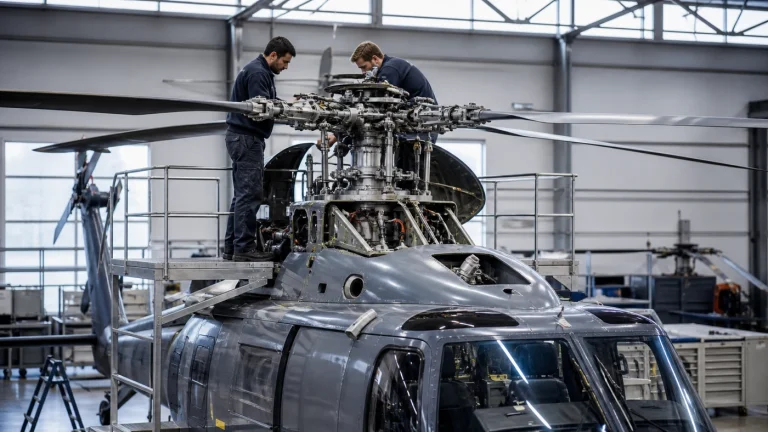
Aerospace
Load monitoring and overload protection in aerospace applications.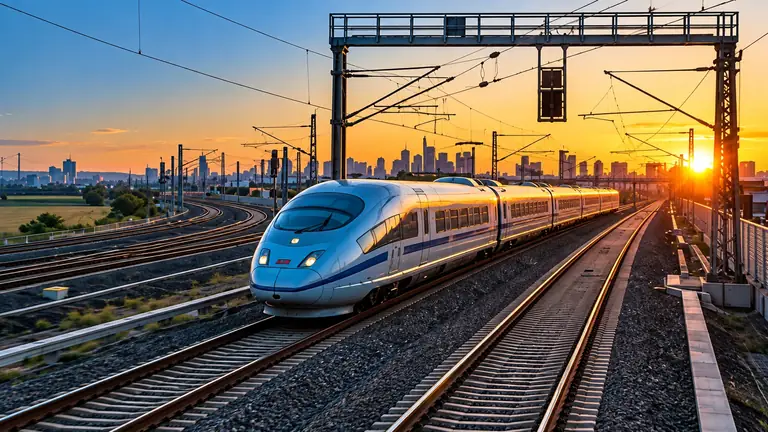 02
Rail & railway
Telemetry on wheelset, traction drive and test bench.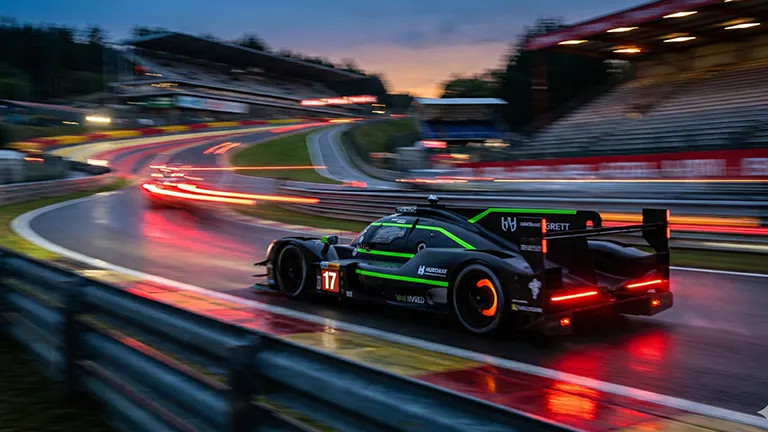 03
Automotive & motorsport
Drive shaft, gearbox and side shaft, on the test bench and in the vehicle. 04
E-bikes & fitness
Compact force and torque sensing for e-bikes and fitness equipment. 05
Plant & machinery
Torque measurement in production, assembly and plant monitoring. 06
Off-highway
PTO shaft, hydraulics and travel drive in agricultural and construction machinery. 07
Robotics & autonomous systems
Torque measurement for safe and precise robotic systems.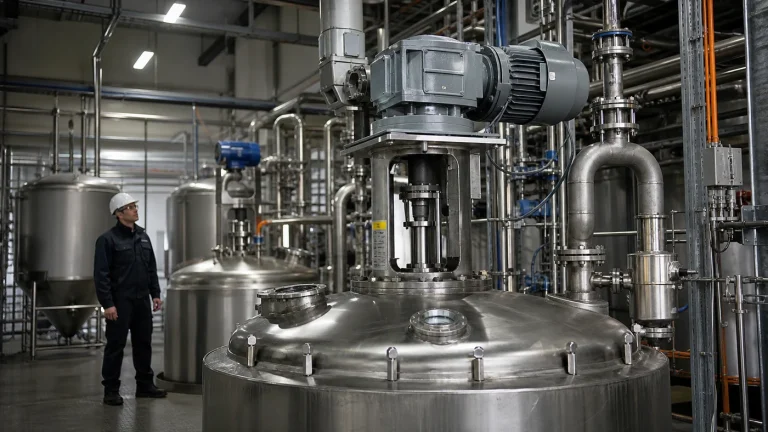 08
Process industry
Measurement on the agitator shaft, with no contact with the medium.Users who put measurement technology to work under real conditions.







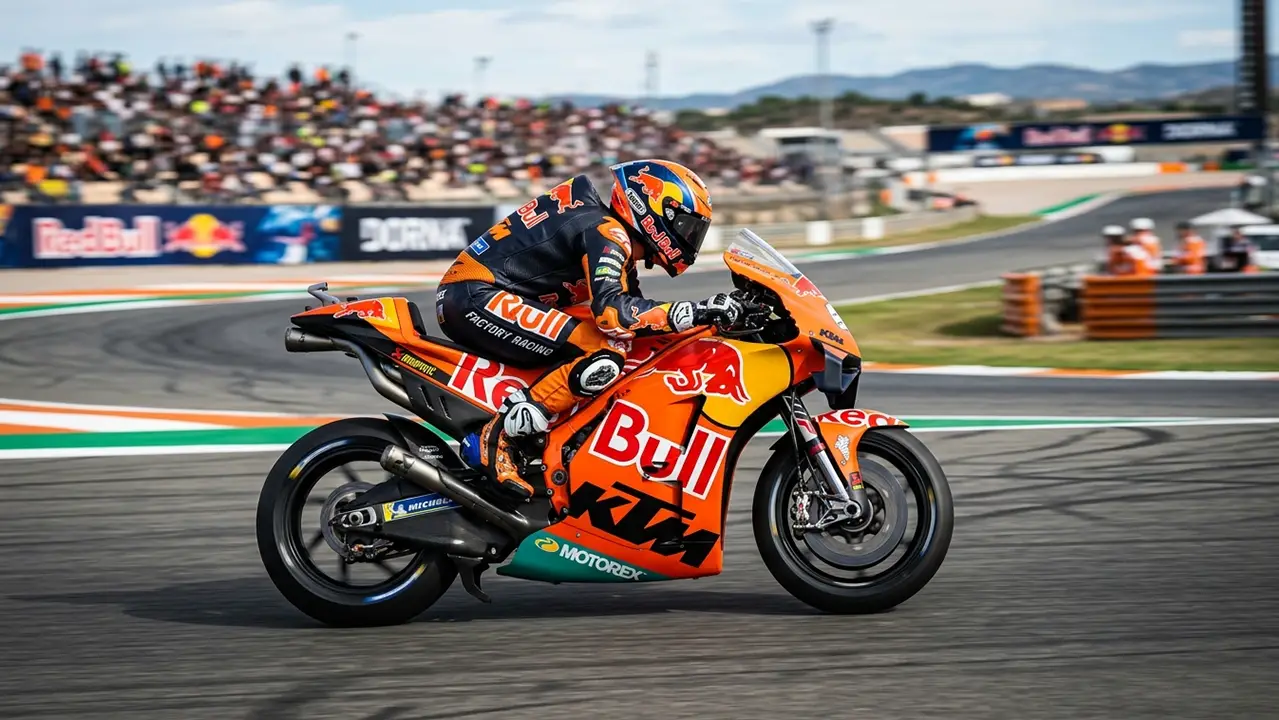
FIA homologated. The Input Shaft measuring systems are approved under Technical List No. 89 of the Fédération Internationale de l’Automobile for BOP and race use.
From measuring task to series production.
Torque range, speed, installation space and volume are enough for a first assessment.
Define the measuring task
Measurand, measuring range, speed, installation space and environment determine the measuring principle. We review the task and propose a solution.
Design and simulate
FEM analyses and magnetic field simulations show how part and sensor interact, before the first prototype exists.
Prototype and calibration
Application, commissioning and calibration in our own laboratory, documented for your quality assurance.
Series production and support
From a single unit to series production, with recalibration and technical support in operation.
Frequently asked questions
What is a contactless torque sensor?
A sensor that measures the torque on a rotating shaft without a slip ring and without mechanical contact between the rotating and the stationary side. Melectric uses two principles for this: telemetry, which transmits the signals of sensors on the part wirelessly, and magnetoelastic sensing, where the shaft itself becomes the sensor.
When does telemetry fit, and when magnetoelastic sensing?
Telemetry fits when many channels are needed, existing strain gauges are to be kept, or measurements are taken on the test bench and in test vehicles. Magnetoelastic sensing fits when the measurement is integrated permanently into a series product and no component is to sit on the shaft. Material, installation space, channel count and volume decide.
Which measuring ranges and accuracies are available?
The MES standard torque shafts cover 0.1 to 5,000 Nm in 20 measuring ranges, with 0.2 % FS accuracy, optionally 0.1 % FS. The MEFS torque flanges range from 50 Nm to 10 kNm at 0.05 % FS and up to 15,000 rpm. Customer-specific solutions are designed to the measuring range and installation space.
Can existing strain gauge sensors be reused?
Yes. The MEGA Telemetry reads strain gauges as full or half bridge, resistance thermometers, thermocouples of all types, IEPE sensors, potentiometers, voltage signals and active sensors, with RVDT and LVDT on request. Existing measuring points on the part stay in use; the telemetry transmits their signals.
Do you also supply series solutions for OEMs?
Yes. We develop magnetoelastic sensing and telemetry from prototype to series production, matched to geometry, interface and volume. The Input Shaft measuring systems are approved for racing under Technical List No. 89 of the FIA.
Do you also calibrate sensors from other manufacturers?
Yes. In our own laboratory we calibrate torque sensors up to 10,000 Nm, including those from other manufacturers, and carry out temperature tests from −70 to +200 °C. Every calibration is documented for your quality assurance.
Where is Melectric based and how does an enquiry work?
Melectric Systems GmbH is based in Straßlach near Munich; development and manufacturing are in Germany. Torque range, speed, installation space and volume are enough for a first assessment. Write to us via the contact form; the assessment is free of charge and without obligation.
Technical advice for your measuring task.
Torque range, speed, installation space and volume are enough for a first assessment, free of charge and without obligation.